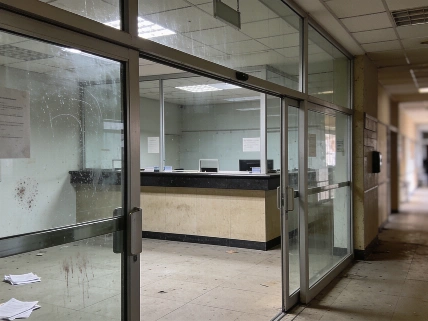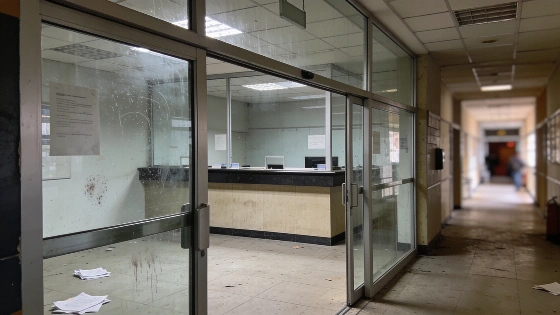
AMI said security alerts led to evacuations at Caracol Televisión, Caracol Radio, RCN and Semana in Bogotá. On November 7, employees left the Caracol Televisión and Caracol Radio offices after authorities warned of a possible bombing plot. Colombia’s Attorney General’s Office reportedly attributed the alleged plot to the National Liberation Army, or ELN, and named RCN as another intended target. The association also reports ongoing threats and violence against journalists across Colombia, as well as public statements targeting news outlets and reporters. The Committee to Protect Journalists called on authorities to take decisive steps to protect staff at the three major Bogotá outlets.
AMI recorded more than 2,000 attacks against hundreds of journalists between August 2022 and July 2026. Ten journalists were murdered during that period, including four in 2026. The association says a journalist is threatened every two days on average. A separate report published on November 12 documented 394 aggressions against journalists in 2026, compared with more than 500 in 2024. About 37% of the 2026 cases involved direct death threats.
The figures come as conditions for press freedom worsen. AMI says public stigmatization of journalism and violence against reporters, particularly in the regions, have reached alarming levels in recent years. The IAPA’s Chapultepec Index places Colombia among the countries with the steepest deterioration in press freedom indicators. The Foundation for Press Freedom, cited by France 24, has reported that at least 171 media workers have been killed in Colombia since 1977.
On November 11, an explosive device was thrown at RCN’s headquarters in Cali. It damaged property but caused no reported deaths or injuries. France 24 described broken glass and pieces of asphalt at the scene. The attack came days after the Bogotá alerts. After intelligence warnings of possible attacks on RCN and Caracol Televisión, Colombia’s executive authorities ordered state protection for the outlets. Security forces and intelligence agencies were instructed to protect the facilities and pursue those responsible.
The stakes extend beyond newsrooms. WAN-IFRA says access to diverse reporting helps citizens understand events and form their own opinions. Intimidation can instead encourage censorship and self-censorship. Audience confidence is another part of that information environment, examined in FAYFO’s earlier trust survey.
WAN-IFRA joins AMI in asking Colombian authorities to adopt public policies with protection mechanisms and guarantees that can outlast any single government. On November 9, the Inter American Press Association condemned reported threats against Caracol TV, RCN and Caracol Radio as a serious warning sign for press freedom. Caracol Radio also reinforced its security protocols. WAN-IFRA and AMI urge officials to reconsider their language about media outlets and journalists. They say words from people in authority can foster respect for those who inform the public or encourage contempt.