
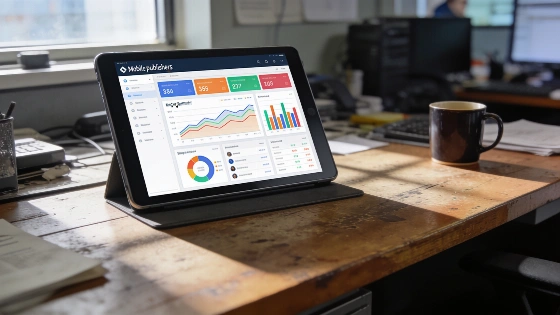
Media and publishing professionals face a critical challenge: a small segment of “super users” accounts for most engagement on publisher apps, while nearly half of all users remain anonymous and unconverted. A report from mobile publishing platform Pugpig frames this audience pattern as a strategic issue for growth and monetization, with implications for product development.
Pugpig’s analysis covers more than 440 apps across 140 publishers. It reports that users who interact with features such as games, audio, video, search, saving and sharing spend more time in the app than users who do not use them. That is an association between feature use and engagement; it does not show that the features cause longer sessions. For publishers, the findings point to a potential role for interactive tools in sustaining attention, alongside the broader work of encouraging registration and subscriptions.
The report benchmarks engagement by app type, publishing frequency and user behavior. It says average session duration is rising, particularly among users who engage with richer features. Daily news apps lead overall engagement, while “mobile plus edition” formats also perform strongly. The report identifies in-app advertising as an underused chance and says most app sessions begin directly rather than through external links.
Pugpig identifies limited product-team capacity, not a lack of strategic direction, as the basic obstacle to further progress. The commercial case for building direct audience relationships is also reflected in a Swiss publisher’s approach to combining ad and reader revenue. Stronger engagement can create more opportunities to register users and convert them to subscriptions, while supporting advertising and retention. Engagement alone, but, does not guarantee higher customer value or revenue.








