
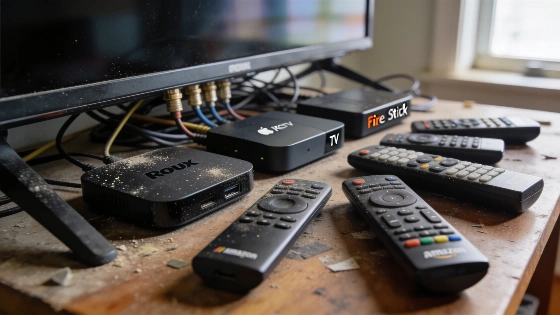
When Jack, a Cincinnati sports fan, realized he was spending more than $1,600 a year just to watch his local teams, Frank Michael Smith saw an opportunity. Smith, who built his following on sharp, shareable sports videos, turned Jack’s frustration into a story that quickly made the rounds in group chats across the country.
Watching every NFL game in the 2026 season can require up to 10 different subscriptions, with total costs ranging from $810 to $1,050 depending on the package.
Creator meets legacy media
Smith’s six-month partnership with The Athletic tested what happens when traditional sports journalism teams up with a creator. The collaboration ran from October 2025 to April 2026 and produced 24 videos that drew 27 million views. Smith later called it a "model" for how creators and established outlets can work together, according to Poder360. Smith pitched ideas, wrote scripts, and sent them to The Athletic for editing and fact-checking, while editors there oversaw the sports coverage. The Athletic did not share payment details for the project.
Smith credits his growth to being ruthless about what topics he covers. He warns new creators not to chase volume for its own sake-audiences can spot a rushed take, and trust disappears when creators put out content just to fill a schedule. Instead, Smith starts by following sports as a fan, scanning newsletters, group chats, and The Athletic for ideas. If a story feels tired or too niche, he drops it. If it’s something he’d share with friends, he moves forward.
Workflow and monetization
Reuters reports that athletics is increasingly leaning into creator-led content because athletes face limited guaranteed salaries and sponsorship income is concentrated among top elites, making brand partnerships and content creation a growing income stream.
Smith’s business pulls in money from several sources. Platform payouts, especially from TikTok’s rewards program, are a big part. Brand deals and a busy Snapchat operation-he runs 15 Snap Discover shows-help fund new projects and pay his team. Smith is upfront about the costs: taxes, payroll, and insurance all cut into profits, and running a creator business is nothing like the influencer fantasy. He says he’s done well, but draws a line between his earnings and the huge numbers reported by creators like MrBeast or Logan Paul.
Access, accountability, and the new sports media
Smith rarely seeks press credentials. He prefers to work as a fan, pulling clips from X and crediting sources instead of joining crowded locker rooms for the same soundbites. He sees the rise of in-house team media and tighter access as a loss for in-depth sports journalism, and misses features like “Joel Embiid Sees You.”
Smith takes fact-checking seriously: he credits original sources, runs claims through Claude and ChatGPT, and corrects mistakes openly. Sometimes he pulls videos or pins corrections in the comments. For Smith, credibility is everything, and audience trust isn’t negotiable.
Audience and the future of sports storytelling
Smith’s audience has grown up with him, shifting from high schoolers on TikTok to adults who now follow him on Instagram. He answers at least ten DMs a day, building a community that values his perspective. His audience is mostly male, and he knows he has to keep evolving as the creator space gets more crowded and easier to enter.
Smith doesn’t sugarcoat his view of sports media. Legacy outlets need to meet fans where they are, even if that means lower production values for the sake of authenticity. Creators, on the other hand, need to raise their standards for professionalism and fact-checking. The creator economy is crowded, and standing out now takes sharper storytelling and real operational discipline. Smith’s path shows that the winners will be those who can combine legacy credibility with creator agility, without giving up either.
Geo Sports, Smith’s trivia and history gaming platform, has logged over 15 million plays since launch, showing the demand for interactive, creator-driven sports content. The Athletic, founded in 2016 and acquired by The New York Times in 2022, reported over 1 million subscribers at the time of the sale, making it a major force in digital sports journalism.








