A notorious far-right influencer who demanded harsh immigration crackdowns has been detained by ICE for overstaying his visa. The arrest exposes the risks of weaponizing enforcement and the limits of loyalty in political movements.
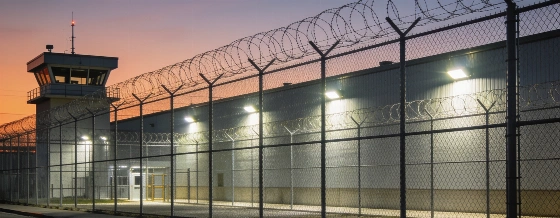
Milo Yiannopoulos, once a prominent figure in the MAGA movement and a vocal supporter of strict immigration enforcement, was arrested at New Orleans International Airport and held in an ICE facility. The same agency he had urged to act aggressively now listed him as an "illegal alien" and released his mug shot to the public.
For those who follow the rise and fall of online personalities, the episode is a reminder of how quickly influence can disappear when enforcement agencies turn their attention inward. Yiannopoulos, a British citizen, built his reputation by provoking outrage and calling for mass deportations. He ended up caught by the very system he promoted. The Department of Homeland Security said he overstayed a visa from 2019 and missed his immigration hearing, which led to a final removal order in July.
According to Reuters, Yiannopoulos legally entered the U.S. in May 2019 through New York, but failed to appear at his immigration hearing, which led to a final order of removal in July 2026.
His arrest was more than a personal setback. It was a public reversal for someone who had once been a star of the Trump-era digital right. Yiannopoulos toured college campuses, spoke at "Gays for Trump" events, and used his platform to push young audiences toward Donald Trump. On social media, he called for ICE checkpoints at supermarkets and immediate deportation for anyone unable to prove legal status. He even claimed to have contacted ICE officials to threaten critics with deportation, using immigration enforcement as a personal weapon.
As the Trump administration's immigration crackdown grew harsher, Yiannopoulos' loyalty began to waver. By March, he was openly criticizing Trump, accusing him of being influenced by foreign interests and promising to "unmake" the president he once supported. He also backed Marjorie Taylor Greene, a former MAGA ally who broke with Trump, which further distanced him from the movement. Laura Loomer, another pro-Trump activist, celebrated his arrest and said she helped expose his immigration status.
For creators and publishers, the lesson is clear: tying your brand to volatile political movements or using enforcement agencies for personal gain can backfire. The digital world rewards controversy and loyalty-until it doesn't. Yiannopoulos' path from influencer to detainee shows how online alliances can be transactional, and how building a brand on punitive rhetoric carries real risks. Once enforcement agencies are set in motion, they rarely distinguish between allies and opponents for long.
After his arrest at Louis Armstrong New Orleans International Airport, Yiannopoulos was placed in ICE custody and deported to the UK the next day. At the time of his removal, Reuters reported there was no confirmation that he had legal representation.
- Reuters (link)
A Reuters legal report states that a U.S. immigration judge issued the final removal order on July 22, 2026, after Yiannopoulos missed his scheduled hearing. This order was the legal basis for his detention and deportation.
In a public statement, a Department of Homeland Security spokesperson called Yiannopoulos "an illegal alien from the United Kingdom" and said he "chose to overstay his welcome in violation of our nation's laws." Reuters noted the irony: Yiannopoulos had previously called for strict immigration controls, including ICE checkpoints at supermarkets and immediate deportation for those unable to prove legal status-making his case a clear example of the system turning on one of its own supporters.
After his deportation, Yiannopoulos described the experience as "humiliating," "disorienting," and "physically degrading" in a televised interview, saying he was "really, really terrified" during the process, according to CNN.
Yiannopoulos' downfall is a warning to anyone in the creator economy who thinks proximity to power offers lasting protection. The same platforms and institutions that amplify voices can erase them just as quickly when their usefulness ends. In the end, the system he demanded for others became the one that caught him, exposing the risks of performative loyalty and the mistake of confusing online fame with real immunity.