
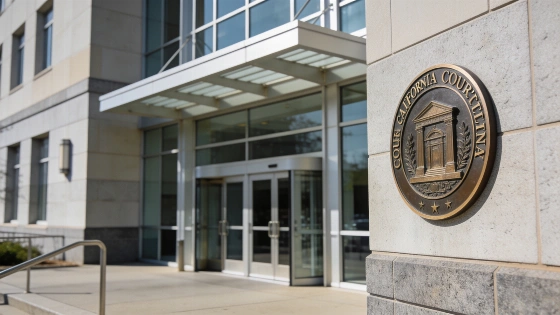
Google, Meta Platforms and TikTok filed separate federal lawsuits on November 5, 2026, challenging California Assembly Bill 1709, known as the Digital Age Assurance Act. The cases are split between two federal courts: Google and Meta filed in the Northern District of California, while TikTok sued in the Central District. The complaints were filed in San Jose, San Francisco and Los Angeles, respectively. The law is scheduled to take effect on January 1, 2027, and would prohibit platforms from offering users under 16 features characterized as addictive, including algorithmically curated feeds and infinite scrolling. It also targets autoplayed videos. Each company is seeking to block enforcement before the effective date, as the Associated Press reported.
The complaints advance two legal arguments. The companies say the restrictions violate the First Amendment by interfering with platforms’ editorial control over content. They characterize recommendation and ranking systems as editorial curation. They also contend Section 230 of the Communications Decency Act protects companies’ choices about how to display user-generated material. TikTok argues the law would interfere with its “For You” feed, which selects and organizes videos according to users’ preferences. A separate Meta dispute over publisher intellectual property and commercial terms was covered in this publisher-rights report.
California’s measure, signed in September, revises its 2024 Protecting Our Kids From Social Media Addiction Act. That earlier law requires parental consent before platforms algorithmically recommend posts to users under 18, and it faces a separate constitutional challenge from the same companies. The two laws cover different age groups and restrictions: AB 1709 targets specified design features for users under 16, rather than prohibiting minors’ general access to social media.
Google’s complaint focuses on YouTube’s recommendation and autoplay features. The company says personalized recommendations can match content to young users’ interests and developmental needs, including by helping them find educational material. Google argues its recommendation systems organize third-party content into a curated presentation. It compares autoplay to television programming that continues from one show to the next. The feature is off by default for users under 18. Google’s filing says the provisions burden YouTube’s “First Amendment right to organize and display the third-party content on its platform in a curated compilation,” as Deadline reported.
Meta’s filing points to safeguards the company has agreed to adopt: a two-hour daily limit on minors’ use of Facebook and Instagram, unless a parent or guardian overrides it. The company also offers minors and parents options to turn off personalization and disable autoplay. Meta argues California has not shown why the law’s additional restrictions are necessary when families can use platform settings and parental controls.
California Attorney General Rob Bonta is the sole named defendant in the complaints. His office said it was reviewing the filings. As of the November 5 and 6 reporting cycle, the lawsuits remained unresolved, with no ruling on the merits or preliminary relief reported.








