Mobile players sent from Discord to an external checkout may abandon the purchase before it’s complete. FastSpring says redirects and manual logins can push cart abandonment as high as 80%; unfamiliar checkout pages account for another 19% of buyers who abandon because they lack trust.
FastSpring’s proposed fix is to bring the storefront closer to the conversation.
Braden Steel, FastSpring’s Head of Product & Solution Marketing, describes Discord as a hub for high-LTV players, including VIPs and active community members. Yet publishers often leave those communities unmonetized or post store links without context, information from the article. That can send players out of the app and force them through a separate login.
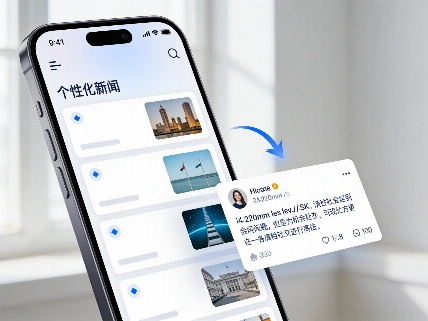
FastSpring’s fsBuilds Discord Bot lets players call up a branded storefront with a server command such as /store. The publisher’s FastSpring catalogue supplies product information and creative assets, including pricing. The bot then provides authenticated links to secure FastSpring checkout. In a typical direct-to-consumer store flow, players log into a game account, select virtual currency or an item, pay in a browser and receive the purchase in-game.
Discord commerce has also been tested through social-commerce features for Marvel Rivals. A Deconstructor of Fun analysis reported that 41% of purchases in the launch were gifts. The same analysis described a newer offer rolling out to selected publishers: Discord takes no transaction share while developers fund discounts for Nitro subscribers, as Deconstructor of Fun reported.
That’s a distinct acquisition challenge from the one examined in FAYFO’s AI referral analysis, which focused on the limited traffic chatbots send to newsrooms. Here, the proposed route to revenue starts with players already gathered in a game community.
FastSpring’s proposed conversion measures focus on cutting checkout steps. Its bot uses a one-time OAuth handshake and the Sessions API to create secure links with player ID and SKU data already filled in, so players don’t have to log in manually. On phones, device detection can surface Apple Pay or Google Pay instead of asking players to enter 16-digit card details.
In the United States, game apps began permitting links to web checkouts in 2025, though external-payment rules and conditions vary by market and platform. Xsolla has estimated that moving transactions to web checkout can allow developers to reclaim up to 25% of transaction revenue; the actual economics depend on payment fees and other costs.
FastSpring cites a +22% lift in conversion and revenue when Apple Pay is embedded on the web and in apps. The company also says repeat purchasers generate over 90% of web store revenue. Its 1ClickPay feature is designed to let returning buyers check out with a single tap, with completion rates pushed toward 100%.
Completing the purchase is only one part of the flow. FastSpring says real-time webhooks can credit a player’s inventory, and the bot can then send a receipt by Discord DM. Publishers can also use deep links to send buyers from checkout back to the game. Direct web checkout calls for trusted store links and clear area checks, helping players avoid impersonation and phishing.
Server roles add another merchandising option. Publishers can reserve premium bundles or limited runs for VIPs and basic spenders, while showing other members an “Unlock VIP” offer tied to a recurring membership or battle pass. Community teams can launch promotions through /announce without waiting for developer release cycles.
Global checkout brings another constraint: payment methods vary by market. FastSpring says its infrastructure supports 200+ local payment rails, including Pix in Brazil and UPI in India. The pitch is to reach players inside their community and offer payment options suited to their region.