Crypto mining firms are now powering the AI revolution. Their legacy energy deals attract Big Tech, but tight deadlines and complex builds loom. Delays could cost billions. The stakes for content creators and tech leaders have never been higher.
Suddenly, the companies that once dominated cryptocurrency mining are at the heart of the AI infrastructure surge, reshaping the landscape for anyone creating or distributing digital content. Their ability to secure massive power contracts—originally meant for mining—now gives them a critical edge as Big Tech scrambles for data center capacity. For content professionals, this shift means the backbone of tomorrow’s AI tools and platforms is being built by unexpected players, with ripple effects on speed, reliability, and innovation across the industry.
Names like TeraWulf, Applied Digital, Iren, Core Scientific, and Cipher Digital have rapidly transformed from crypto miners into essential partners for the world’s largest technology firms. Their market value has soared from just over $2 billion in late 2022 to nearly $50 billion today, fueled by the insatiable demand for AI-ready data centers. This meteoric rise, however, comes with new pressures: these companies must now deliver highly complex, ultra-reliable facilities on aggressive timelines, or risk financial penalties that could unravel billion-dollar deals.
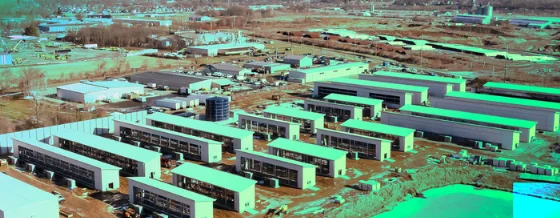
Unlike their old mining operations, AI data centers require far more than raw computing power. Outages are unacceptable, and the infrastructure must include advanced cooling systems and backup generators to handle the relentless heat and energy demands of AI workloads. The scale is staggering—some projects will consume enough electricity to power entire cities, and any misstep could trigger costly contract penalties or even allow clients to walk away.
Industry analysts note that 2025 was all about landing major contracts, but 2026 is shaping up as the year these firms must prove they can actually deliver. Construction delays are almost inevitable, and the lack of transparency around contract terms only adds to the uncertainty. When CoreWeave, a former mining company turned $40 billion AI cloud provider, faced construction setbacks last year, its stock dropped sharply. Although the issues were later resolved, the episode highlighted just how fragile these high-stakes projects can be.
Despite the risks, the rewards remain enormous. Applied Digital and Cipher Digital now control some of the largest data center portfolios among their peers, with planned and active capacity rivaling the energy needs of major cities. Both companies are hinting at new, long-term deals with undisclosed hyperscale clients, but details about what happens if projects falter remain scarce. TeraWulf stands out for its rare transparency, revealing that a six-month delay on its Lake Mariner campus could void a $3.2 billion rent guarantee from Google and allow key tenants to exit—an outcome that would dramatically raise financing costs.
Still, lenders appear increasingly confident. Cipher Digital recently secured billions in loans at improving rates to build facilities for Fluidstack, Google, and Amazon, while Applied Digital locked in favorable terms for a new Oracle project. Even when delays occur, clients seem willing to wait, given the nationwide shortage of AI computing power. Analysts suggest that, for now, the scarcity of infrastructure outweighs the risks of late delivery, keeping these former miners in the driver’s seat of the AI revolution.
For those shaping the future of content, the success or failure of these projects will directly impact the speed, scale, and reliability of AI-powered tools and platforms. As the industry watches closely, the next year will reveal whether these unlikely power brokers can meet the demands of a rapidly evolving digital world.
Many of these companies owe their current position to the unique legacy of the crypto boom. During the height of cryptocurrency mining, firms like TeraWulf and Core Scientific secured long-term, high-capacity power contracts that few others could match. As the crypto market cooled, these agreements became their ticket into the AI gold rush, allowing them to pivot quickly and attract major technology clients. This rare combination of energy access and operational experience now positions them as gatekeepers for the next generation of AI infrastructure, with the potential to shape how content is created, distributed, and consumed for years to come.