
Newsrooms in Guatemala and Honduras are transforming fact-checking with AI. Automated tools now spot viral misinformation in minutes, not hours. Editorial teams reclaim time for deeper investigations. This shift is reshaping the fight against digital falsehoods.
For journalists and editors navigating the relentless churn of digital misinformation, the old manual approach to fact-checking is no longer enough. In Central America, newsrooms like Agencia Ocote in Guatemala and El Heraldo in Honduras have faced a daily uphill battle: while teams verified a single claim, dozens of misleading narratives raced ahead online. Human resources stretched thin, and the public conversation slipped further out of reach.
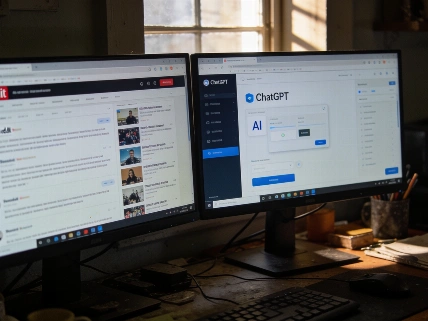
That bottleneck has now cracked open. Both outlets joined the AI Product Lab, a collaboration between the Inter American Press Association and Google News Initiative, to build tools that automate the grunt work of verification. The result: “Centinela Fáctica” and “ClaimCheck”—platforms designed not to replace journalists, but to give them a fighting chance against the viral tide.
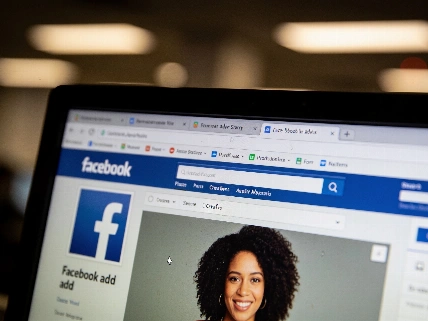
Agencia Ocote’s challenge was scale. Its Fáctica unit could only process a handful of weekly cases, while the real volume of critical misinformation soared far higher. With “Centinela Fáctica,” the newsroom now scrapes and analyzes content from 77 Facebook pages flagged for disinformation. The AI sorts, runs sentiment analysis, and cross-references with trusted sources, assigning a confidence score to each post. In just 90 minutes, it can extract and catalogue 600 posts—a 320% jump in daily monitoring. The editorial team now spends less time on repetitive scanning and more on high-impact investigations.
El Heraldo’s pain point was the slow, manual capture of public statements. Monitoring political forums and transcribing interviews by hand meant false claims often gained traction before they could be challenged. “ClaimCheck” automates transcription from audio and video, pulling in content from platforms like YouTube and JW Player. It flags statements for verification, classifies them, and lets journalists pinpoint sources in seconds. The newsroom has slashed monitoring time by 83% and boosted operational capacity fivefold. What once took three hours now takes just 30 minutes, freeing up staff for deeper analysis.
Beyond the numbers, these tools have sparked a cultural shift. For Agencia Ocote, the project marked a leap in technological ambition, showing that even small, independent teams can build sustainable, monetizable solutions. At El Heraldo, the journey was bumpy—technical glitches and audio format headaches—but the newsroom moved from trial-and-error to a data-driven workflow. Both cases signal a new era: AI as a defensive shield in the information wars, not just a productivity booster.
Looking ahead, these platforms are already being adapted for live parliamentary transcription and the detection of recycled lies that resurface with subtle tweaks. The real win? Journalists get back their most precious asset: time to investigate, compare, and analyze, while AI handles the digital noise. As newsroom leaders see it, technology is the enabler, but ethical judgment remains the core of fact-checking.
For those tracking the evolution of newsroom technology, the AI Product Lab stands out as a catalyst. Developed by Marktube Group and backed by major industry players, the program offers a blueprint for how editorial teams can harness AI without sacrificing rigor or independence. Its focus on collaborative development and ethical safeguards has made it a model for other regions facing similar challenges. As misinformation tactics evolve, such initiatives will likely shape the next generation of journalistic tools and standards.