
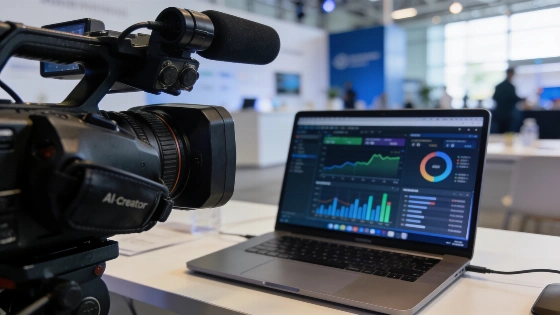
At the Cannes Lions Festival of Creativity, YouTube introduced AI-supported features to give brands and agencies deeper insights into creator-driven marketing, while Forbes unveiled a network connecting brands with social storytellers. The launches reflect a wider shift: creator partnerships are increasingly managed as an always-on, measurable media channel, not simply as an influencer-relations activity.
YouTube’s latest updates, powered by Gemini, include enhanced trending insights within the “Google Ads Insights Finder,” which now offers a more detailed view of what is popular on the platform in the U.S. New brand pulse report metrics let marketers track paid and organic presence, while the “Content & Creator Insights API” provides expanded data on creators and their audiences. The features are intended to help agencies and brands plan campaigns, find potential creator partnerships and refine creative assets with real-time guidance. A 2026 LTK and Northwestern University study of 209 senior marketers at brands already investing in creator marketing found that 91% of respondents’ companies had an always-on component to their creator programs. The study also reported a 275% year-over-year increase in the average number of creators used.
The same study points to growing emphasis on outcomes beyond reach. Awareness and campaign sales were each cited by 51% of respondents as impressive reporting metrics, followed by conversion rates at 50%. Campaign-sales measurement had risen from 37% in the previous study, while conversion-rate measurement increased from 39%. The figures offer broader industry context for YouTube’s proposed brand-pulse and audience-understanding tools: marketers are looking for ways to connect creator activity with campaign performance and business results.
Gemini will also soon provide creative insights for Demand Gen campaigns, with recommendations on visual elements that may improve campaign results. Marketers are increasingly reusing creator-made content across paid channels: the LTK and Northwestern University study reported that 92% of brands used it in social advertising, while 50% also used it in display and 36% in connected television. These practices bring creator partnerships closer to the planning and measurement systems used for other forms of advertising.
Forbes is moving deeper into the creator economy with the launch of “Forbes Creator,” a social-first network unveiled at Cannes Lions. The platform is built to connect brands with a curated group of social storytellers, entrepreneurs, industry leaders and subject-matter experts. It aims to produce content on the future of work, entrepreneurship, AI, technology, sports and culture. Creators involved in the launch include Sho Dewan, Erin McGoff, Griffin Johnsen, Joe Fenti, Shira Lazar and Jenny Stojkovic.
The economic scale helps explain growing investment in creator-focused infrastructure. The Interactive Advertising Bureau projected U.S. creator advertising would reach $37 billion in 2025, a 26% increase year over year, compared with $13.9 billion in 2021. That figure is a projection, not a final audited spending total. The LTK and Northwestern University study also found that 44% of marketers ranked creators as their most trusted source of product recommendations, ahead of social-media advertisements at 34% and celebrities at 22%. Together, the findings help explain why platforms and publishers are building tools that connect creator discovery with content distribution and campaign measurement. The trend follows moves by other major platforms to expand their creator offerings, including Meta’s introduction of new World Cup experiences across Threads, social media and social media, which opened additional campaign opportunities for marketers. For more on how platforms are enhancing branded content experiences, see this coverage of Meta’s World Cup feature rollout.








