Livestreaming creators are changing how global sports reach younger audiences. New broadcast formats at the 2026 FIFA World Cup are drawing fans for the personalities, not just the matches. Advertisers and platforms are taking notice.
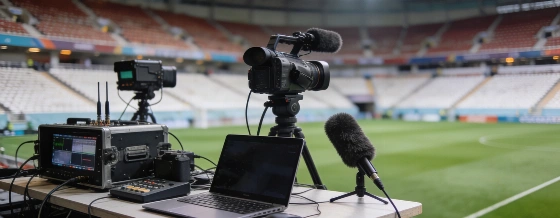
Media professionals tracking audience shifts saw a major development at the 2026 FIFA World Cup: creator-led livestreams on Twitch and YouTube are now running alongside the official TV broadcasts, offering a distinct alternative for fans. These streams, produced from inside stadiums and FIFA fan zones, are not just commentary overlays-they represent a new broadcast layer built around community engagement. For many younger viewers, the draw is the streamer first and the soccer second.
This evolution is significant for FIFA, Twitch, and brands seeking to reach demographics that traditional sports coverage often misses. Creator-led streams have enabled FIFA to connect with younger, global audiences, while also opening new advertising opportunities for brands that do not hold official World Cup rights. Platforms like Twitch are now using this model as a template for other major sports leagues and high-profile events.
According to Twitch, the company anticipated the appeal of these communal experiences and responded by launching a dedicated “Football Fest” category on its front page. This move was informed by survey data showing that 44% of Twitch viewers wanted sports coverage unavailable on traditional media. Since the introduction of this category, 29% of viewers reported increased fandom compared to the 2022 World Cup.
The rise of creator-driven sports coverage is also influencing broader streaming and advertising strategies. For example, as retailers like Walmart invest heavily in streaming ad platforms, such as its recent acquisition of Vibe.co, the intersection of commerce data and video distribution is becoming more pronounced. Walmart's move into connected TV advertising highlights how brands are adapting to new digital viewing habits shaped by platforms like Twitch and YouTube.