A major platform update introduces agentic AI tools for easier campaign planning and buying. The move follows agency criticism and a stock downgrade. Early data shows improved cost efficiency for advertisers.
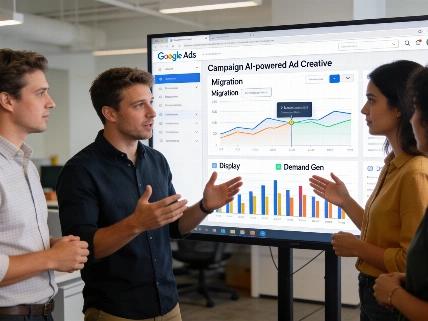
The Trade Desk for programmatic campaigns are seeing a significant overhaul as the company launches new agentic AI capabilities designed to simplify planning, buying, and measurement. The update, named Kokai Zuma, builds on the Kokai platform introduced in 2023, and aims to make the demand-side platform more accessible through a redesigned interface and upgraded backend systems.
This strategic shift comes after The Trade Desk faced notable agency backlash and a recent stock downgrade. Two weeks before the launch, New Street Research analysts lowered their target share price for The Trade Desk from $17 to $10, maintaining a "sell" rating. Their report cited concerns about the company's focus on "decisioned-buying" as a low-cost option and highlighted growing risks of disintermediation from major players like Amazon Web Services and Google "Buyer Direct."
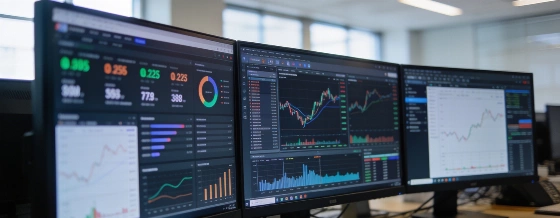
The most visible change for users is the new interface, but the company emphasizes that the real transformation is in the platform's AI infrastructure and forecasting engine. These upgrades enable real-time predictions of available inventory, campaign outcome modeling, and enhanced agentic capabilities for Koa, the platform's virtual assistant. According to The Trade Desk, early results show a 32% average improvement in cost per acquisition (CPA) performance, attributed to improved modeling and forecasting.
Koa, which started as an AI engine for campaign setup, now functions as a conversational assistant embedded throughout the platform. It supports predictive clearing, real-time bid optimization, and streamlines advertiser workflows. The company says these backend investments are central to the improved workflow and campaign management experience.
Industry observers have noted that agentic AI is reshaping how media buying platforms operate, with transparency and efficiency becoming key concerns. For example, recent coverage of supply-path optimization and agentic AI in media buying, such as the Goodway Group's approach, highlights the ongoing debate over balancing automation with advertiser control. For more on how agentic AI is influencing media buying strategies, see this analysis of AI-driven supply-path optimization challenges.
The Trade Desk describes this update as a foundational investment in its platform, signaling a commitment to evolving its technology in response to both client feedback and market pressures.
Founded in 2009, The Trade Desk has grown into one of the largest independent demand-side platforms in digital advertising. The company reported annual revenues exceeding $1.5 billion in recent years and serves thousands of agencies and brands worldwide. Its ongoing investments in AI and workflow automation reflect the increasing demand for efficiency and transparency in programmatic media buying.