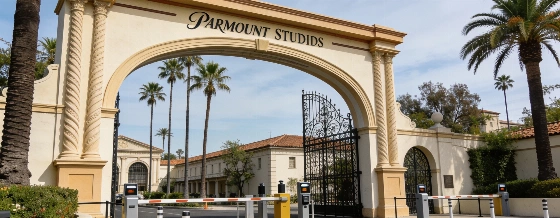
California’s top officials are in crisis mode. Paramount’s $111 billion bid for Warner Bros. Discovery has hit a wall: a major antitrust lawsuit led by Attorney General Rob Bonta and backed by twelve states. Now, David Ellison is threatening to move Paramount out of California. That would mean thousands of lost jobs and a huge blow to Hollywood’s economy. The pressure is on for a deal-fast. For anyone watching the future of media, the stakes are clear: who controls content, who keeps their jobs, and whether editorial independence survives another mega-merger.
On September 17, 2026, the U.S. Federal Communications Commission approved Paramount Skydance's request to allow foreign investors in the Warner Bros. Discovery deal, but specified that such investors cannot hold voting shares.
California’s leaders-Governor Gavin Newsom, Los Angeles Mayor Karen Bass, and gubernatorial hopeful Xavier Becerra-have all gone public urging Bonta to settle. But not everyone is on board. Attorneys general from New York and Connecticut, who joined the lawsuit but don’t face the same local job losses, are quietly pushing for tougher terms. They want more than just promises-they want real changes, especially now that the Writers Guild of America’s lawsuit has merged with the states’ case. The big question: can a CNN oversight board actually protect editorial independence? Some inside CNN say it’s just window dressing.
Inside the network, nerves are frayed. Staffers are bracing for Ellison’s takeover, especially after Bari Weiss took over at CBS News and shook up programming and staff. One newsroom source called the oversight board idea “lipstick on a pig.” Veteran journalist Kara Swisher says good reporters don’t need outside monitors. Meanwhile, CNN’s ratings have slipped under new management, adding to the anxiety about where the network is headed-and whether its credibility can survive.
Court records show that mandatory settlement talks between California Attorney General Rob Bonta and Paramount were formally scheduled for October 14-15, 2026, following a prior court order requiring such negotiations by the end of October.
For digital publishers and content strategists, the outcome here will set the tone for how political muscle, antitrust law, and newsroom safeguards collide in the age of giant media deals. California’s willingness to put jobs and tax revenue ahead of a hard antitrust fight shows a pragmatic-if uneasy-partnership between government and media giants. As reported earlier, publishers are already hunting for new revenue as old models falter. The Paramount-Warner Bros. Discovery drama is a real-time test: how far will states go to protect their own, and how much editorial freedom survives when corporate power is at stake? When job losses and economic fallout get real, even the boldest antitrust campaigns can back down-leaving the future of newsrooms and creators hanging on the fine print of a closed-door deal.