
Google’s retirement of its mCPV video line item left preset campaigns unable to serve when publishers and ad tech firms missed the upgrade. That breakdown is part of a wider set of changes pressuring open-web video inventory.
Alan Ronis wrote at Medium that CPMs and fill rates had fallen since around October 26. He also pointed to weaker demand proxies. The sequence began October 1, when DV360 removed brand-safety controls, affecting advertisers who relied on its more detailed settings. AdSense began restricting additional web video inventory based on accompanying content on October 22. Google then retired the maximum cost-per-view line item for video campaigns on October 26. Publishers and ad tech firms did not complete the necessary upgrades, so preset campaigns failed to serve.
Data and distribution
The New York Times was reportedly in exclusive negotiations to acquire Letterboxd for about $330 million, a price exceeding 20 times the platform’s projected 2026 earnings of roughly $15 million, Reuters reported. Letterboxd is a social platform where members log films, post reviews and discover titles. Its parent company had engaged investment bank LionTree to explore a sale. The talks remained unresolved as of November 6, and no agreement had been reached. The site’s large film community and distinctive human writing could carry value for AI data licensing, though the reported negotiations do not establish a licensing deal.
The companies had discussed keeping Letterboxd co-founders Matthew Buchanan and Karl von Randow involved in running the service. Letterboxd was expected to remain standalone for the foreseeable future, while the Times would seek to integrate its advertising technology with the platform’s systems. The Times has built beyond its core news product through acquisitions. Wirecutter added product reviews; cooking and games followed, including Wordle. The Athletic brought sports coverage. Letterboxd would add a film community and paid subscriptions, giving the publisher another source of subscribers alongside potential advertising revenue.
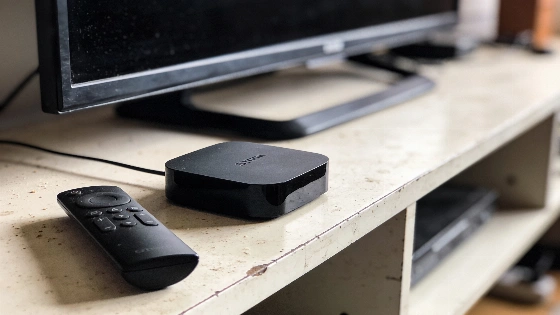
Fox completed its approximately $22 billion cash-and-stock acquisition of Roku on November 6, following its June 15 announcement of the deal. Roku’s platform reaches more than 100 million households. The combined company includes Fox’s Tubi and Roku’s platform and advertising technology, along with first-party audience data, including a household graph Fox can connect with Tubi’s ad sales. The companies also bring together two major free, ad-supported streaming services: The Roku Channel and Tubi. Fox had already said Tubi was performing better than expected. The commercial logic is a closer connection between streaming audiences and ad sales. Fox projected approximately $400 million in run-rate cost synergies within two years of closing and said the transaction would be accretive to free-cash-flow per share by the second full year.
The Department of Justice’s Antitrust Division said on November 6 that it had closed its investigation into the Fox-Roku merger. During its review, the division argued that the merged company could face monetary and reputational harm if it used Roku’s platform to disadvantage Fox’s content rivals. It also said consumers could switch to other connected TV platforms if dissatisfied. Semafor had reported that the DOJ was nearing clearance under a consent decree after the agency requested additional information from both companies in September. The division’s statement closing the investigation said the review could be closed.
A related publisher monetization deal shows how ad technology and publisher relationships can factor into a transaction’s value.
Other industry moves
OpenAI was developing a tool to show brands how often they appear in ChatGPT conversations. Valnet agreed to a $2 million settlement in a class action alleging it misclassified and exploited freelance writers; the allegations are not findings of liability. Meta backed away from requiring business account holders to allow AI training on their linked websites.
Instagram’s push into long-form content had yet to persuade creators to participate, according to the roundup. Liam Parker was appointed US CEO of The Ogilvy Group.








