
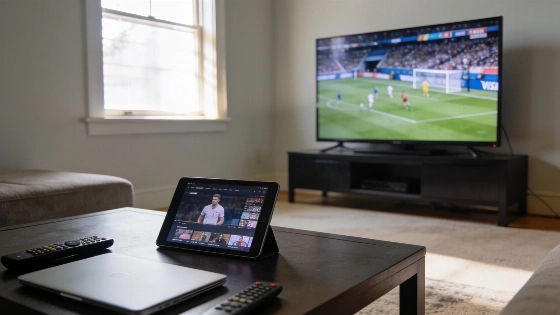
Brands looking for real attention are seeing a clear winner. Multiscreen campaigns-those that run on both TV and streaming-pull ahead of social media. New research from Comcast Advertising and MediaScience shows the numbers. Campaigns that use both TV and streaming get 36% more ad viewing time. Brand recall more than doubles compared to social-only campaigns. For marketers, this is not just a small lift. It means more engagement and better use of ad budgets.
In the first half of 2026, connected TV accounted for 53% of all premium video ad views in Europe, doubling its share since 2023.
Reach is where the fight happens. Comcast looked at over 30,000 campaigns in early 2026. Traditional TV still gets a 71% unique reach. Streaming adds another 21%. Only 8% of viewers overlap. The two channels work together, not against each other. For brands, this means a real multiscreen plan is not just extra. It is now the only way to reach the full audience.
Sports streaming is changing the game. The first half of 2026 was packed with big events: the Milan Cortina 2026 Olympics, NCAA March Madness, and the FIFA World Cup 2026. Sports content made up 52% of streaming campaign reach. Campaigns with sports streaming were ten times more likely to reach "hard-to-reach" homes than TV alone. For advertisers, the message is clear. Live sports on streaming are now essential for growing your audience.
Comcast Advertising’s Multiscreen Performance Report, released October 1, 2026, analyzed data from January to June 2026, covering more than 30,000 TV and streaming campaigns and billions of ad impressions, with measurement from Innovid, Clarivoy, and Mastercard.
These results match warnings in recent analysis about the risks of single-channel or simple metrics in campaign planning. The data is blunt. Brands that keep their media in silos miss out on reach and real business results.
For digital publishers, creators, and media buyers, the takeaway is simple. Multiscreen campaigns are now the standard for real audience engagement and ROI. The evidence from early 2026 is strong. Brands that skip TV or streaming will fall behind. Channel silos are done. The winners will be those who run campaigns across every screen where people actually watch.
Comcast Advertising reports that campaigns using both TV and streaming doubled incremental ROAS compared to single-channel campaigns. This shows the financial edge of a unified multiscreen plan. Attribution data from Innovid, Clarivoy, and Mastercard backs this up. The +105% lift in website visits is tied to business outcomes, not just reach. For more, see the attribution analysis by The Measure.








