
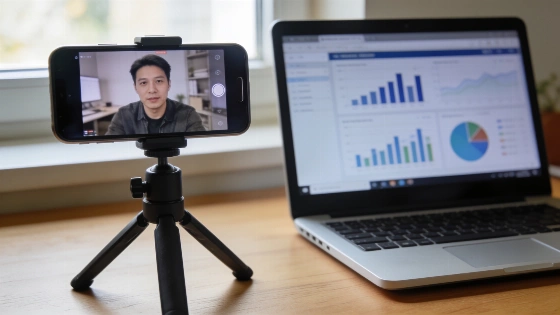
Meta will introduce live video ads on Instagram, letting brands boost creator livestreams as partnership ads starting September 29. This update comes as Meta combines its creator marketing tools into a single Creator Marketing Hub, aiming to make it easier for brands and creators to connect and monetize content.
At Cannes Lions in June 2026, Meta revealed that over 5 million Instagram creators were already discoverable in the new Creator Marketing Hub, highlighting the scale of its rollout.
Meta plans to expand the hub globally and add new features. Advertisers will be able to turn more types of creator content into partnership ads, use advanced filters to find creators who use their products, and set content permissions with expiration dates. The hub will also offer one-click ad creation, better content recommendations, updated editing tools, and built-in messaging so brands and creators can communicate directly on the platform.
Industry data shows that smaller brands get five times more engagement from creator-led collaborations than from standard posts, and 73% of brands already use Instagram’s collaboration feature. Meta is also bringing Facebook creators into the Creator Marketplace API, which was previously only for Instagram, and adding a Messaging API for direct outreach. The Content Discovery API now includes more filters, keyword search, and instant insights on which user-generated content can be used as ads.
Meta had already begun converging its creator-marketing stack earlier in 2026, and the current move continues a broader push to centralize creator discovery, permissions, and partnership-ads workflows across its ad system. The new Creator Marketing Hub is being expanded globally, with plans to let advertisers convert more creator content types into partnership ads and manage content-level permissions with expiration dates.
The 2025 IAB Creator Economy Report found that creator recommendations now influence 45% of all consumer purchases, and ad spending in the creator economy is growing four times faster than overall media. Meta’s new tools are designed to help brands find high-performing creator content and turn it into scalable ad campaigns. This reflects a wider industry trend of platforms reworking content and workflows to improve discoverability and monetization, as reported earlier.
Meta’s consolidation of creator marketing is a strategic move to compete in live video, influencer commerce, and automated ad buying. By making it easier for brands to find and activate creator partnerships, Meta wants to become the main marketplace for creator-driven ads. Whether these tools deliver real results for creators and advertisers remains to be seen, but Meta’s rapid rollout puts pressure on competitors and signals its intent to shape the next phase of social commerce.
Meta Platforms, Inc. reported $134 billion in annual revenue for 2025, with advertising making up over 97% of that total. Instagram, one of Meta’s main products, surpassed 2.5 billion monthly active users in early 2026. The company’s investment in creator tools and live video formats is part of its plan to capture a larger share of the growing creator economy, which is expected to exceed $500 billion in global ad spend by 2027.








