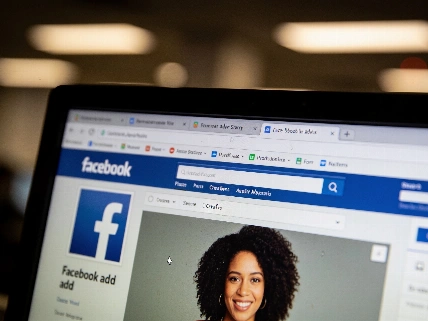
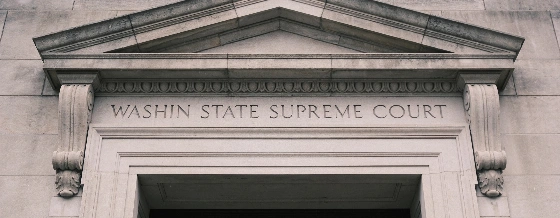
Washington's Supreme Court upheld a $35 million fine against Meta for failing to comply with state campaign ad disclosure rules. The decision highlights ongoing legal friction between tech giants and local transparency laws.
Media and publishing professionals tracking platform compliance saw a major development as Meta lost its challenge against Washington’s political ad disclosure law. The state Supreme Court upheld a $35 million penalty, reinforcing the expectation that digital platforms must meet the same transparency standards as traditional media when selling political ads.
Washington’s law requires media companies to provide public records of political advertising upon request. While local outlets have complied for years, Meta admitted to willfully and repeatedly violating the rule. Instead of adapting, Meta stopped accepting political ads in the state, a move reminiscent of its response to similar regulations in Canada, where it blocked news content rather than pay for news reports on its platforms.
Despite Meta’s arguments that the law was “unduly burdensome” and infringed on its First Amendment rights, the majority of justices disagreed. Justice G. Helen Whitener wrote the majority opinion, stating the law did not violate free speech. However, three justices believed the fine was excessive, and three others were open to Meta’s claim that the law stifled speech, partly because Meta chose to halt political ads in Washington.
The dissenting justices expressed concern that the penalty should be proportional to the violations, not based on broader election integrity concerns. They also questioned whether Meta’s technology could reasonably identify political ads in Washington, especially given Meta’s public claims about its AI capabilities. The company argued in court that using machine learning to track such ads was not feasible, despite CEO Mark Zuckerberg’s statements to investors about Meta’s advanced AI systems.
Other media companies, including local newspapers and TV stations, have managed to comply with the disclosure requirements even as their businesses faced disruption from platforms like Meta. This contrast raised skepticism about Meta’s claims of undue burden, especially as the company continued to generate revenue from political ads in the state before its self-imposed ban.
For those following regulatory trends, the Washington Supreme Court’s decision signals that state-level transparency laws can withstand legal challenges from major tech platforms. The ruling may influence how other states and countries approach platform accountability. Similar legal battles have played out elsewhere, such as New York’s recent court support for laws requiring social platforms to accept user complaints about hateful conduct, as discussed in this analysis of New York’s regulatory approach.
Meta’s legal strategy and operational decisions in Washington will be closely watched by publishers, advertisers, and regulators as debates over platform responsibility and transparency continue.
Meta, formerly Facebook, is one of the world’s largest technology companies, with a market capitalization exceeding $1.4 trillion as of 2026. The company rebranded in 2021 to reflect its focus on virtual and augmented reality, though its core business remains digital advertising across platforms like Facebook and Instagram. Meta reported annual revenues of over $120 billion in its most recent filings, with political advertising representing a small but highly scrutinized segment of its ad business.