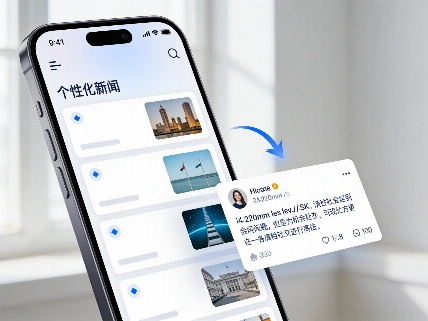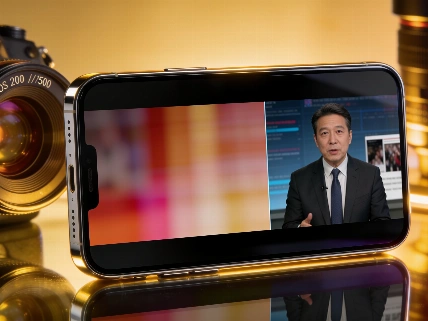
Instagram has offered a handful of selected creators between $50,000 and $500,000 to publish long-form video through its “Features” feature. Introduced in late October 2026, Features supports horizontal videos of up to 90 minutes and remains a limited test rather than a broadly released monetization product. Meta has described the payments as direct funding for selected creators; they are launch deals, not a published revenue formula for the wider creator base. For everyone else, a reliable way to earn from the format remains unsettled.
The platform says it is “too early to share a long-form monetization model.” Its announcement allows videos up to 90 minutes, an effort to attract YouTube creators, but reach alone does not answer the commercial question: how does a creator get paid? The format follows Instagram’s earlier long-form experiment, IGTV, and is designed to accommodate horizontal programming such as interviews, documentaries and episodic shows. Instagram has not announced a recurring ad-revenue share for Features comparable to YouTube’s Partner Program. Instead, it says it is exploring ways for creators to earn from brands, fans and Instagram, including performance-based incentives.
Reach without revenue
Digital strategist and creator Gabriella Zutrau told Digiday she sees Instagram as strong for discoverability and building awareness. She was “disgusted” by the prospect that the platform is “offering discoverability as a form of payment.” In a separate comment to Digiday, she called exposure used to take views from YouTube “gross” and said Instagram has “never valued creators.”
That criticism reflects a distinction between distribution and income. Instagram plans to use recommendations across Reels and Explore to bring audiences to full-length videos, with short clips directing viewers toward the longer upload. Social Media Today reported that Instagram has also encouraged creators to publish the same long-form videos on Instagram and YouTube on the same day. Cropink, a marketing software platform, reports that Reels receive 36% more reach than carousels and 125% more than single-photo posts, while engagement lags. The figures describe reach, not creator revenue.
Jo Wong, chief revenue officer at POP.STORE, told Digiday that Instagram has long been an important source of brand deals, despite lacking a strong creator monetization program. Existing sponsorships and brand integrations are among the ways creators can earn from Features; Instagram may also help creators find sponsors. Shine Talent Group vp of talent experience Samantha Walters said she was surprised Instagram had not introduced infrastructure comparable to YouTube’s, which she said is why creators invest so much time there.
YouTube remains a difficult benchmark: creators must meet eligibility thresholds to monetize, and the requirements are expected to change in 2027. Third-party reporting citing VidIQ estimates that YouTube long-form advertising commonly generates roughly $1 to $10 per 1,000 views for creators, with returns varying by audience, geography, subject and ad demand. The same analysis estimated that creators with more than one million subscribers earn about $50,000 a month on YouTube, compared with roughly $5,000 to $15,000 on Instagram; the figures are estimates, not audited platform-wide averages. Nick Jacklin, president of Shorthand Studios, supports a model in which Instagram shares ad revenue with creators. He cautioned that running ads on long-form videos without equitable and transparent payment could damage creator trust.
Instagram told Digiday it is exploring ways for creators to earn through the platform, from brands and fans, including performance-based incentives. Those are options under consideration, not a defined revenue-sharing system. Meta has said it is “funding Features content directly with some creators,” while Instagram’s position is that it is “too early to share a long-term monetization model.”
Testing the format
Some agencies see a near-term use for Features that does not depend on commissioning new work. Wong advised creators to repost older YouTube videos there, check whether they attract reach and assess whether that helps them secure better brand deals before investing in original Instagram programming. Social Samosa reported that existing sponsor placements may carry over to Features videos and that Instagram may help creators find sponsors. Alexandra Mathieu, vp of creative and strategy at Open Influence, also suggested using existing programming to develop Instagram-native series.
Mathieu sees the platform's spending on creator acquisition as leverage for managers negotiating with YouTube. Those talks could cover exclusivity or production support, along with distribution and creative control. The value, in this case, may extend beyond what Instagram itself pays.
For SoaR, which works with gamers and streamers, vp Mustafa Aijaz described Instagram as another place to distribute existing work. He told Digiday, “We’ll post our content there, why not? But I’m not making content for Instagram at this moment in time.”
Shorthand Studios vp of creative strategy Zack Evans sees a stronger fit for interview shows and scripted comedy, particularly with Instagram's revamped TV app. Its scrolling and discovery experience could help viewers encounter unfamiliar shows, he told Digiday. Short-form clips can also direct viewers toward longer videos, though Evans said platforms make that funnel difficult.
A Shine Talent Group survey of 50 creators found that 93 percent said Instagram would need to change its revenue policies to entice them to post long-form video. All respondents already post on the platform.