
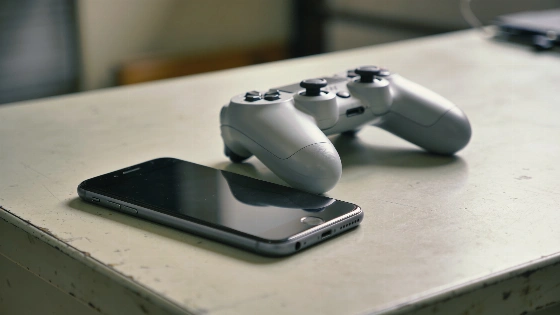
Some 35% of Gen Z play games while watching TV, and 75% say they remain fully or mostly focused. Those figures come from Gen Z & Gaming, research by Gameloft for brands and GWI.
Across a week, Gen Z spend more time gaming than on social media. The study puts social media use at eight hours and 31 minutes. Online video accounts for six hours and 21 minutes, while streaming services account for five hours and 10 minutes. For marketers, gaming is a serious contender for attention in the media mix. That does not mean brands automatically get the focus players bring to a game. The figures were reported by Marketing-Interactive.
Attention in play
Gaming is already part of Gen Z’s media routine: 91% play games, and 75% play on smartphones. Nearly three-quarters of Gen Z gamers, or 71%, say they felt emotionally engaged during their most recent session. Half say mobile gaming makes them feel calm. Another 44% say it makes them feel happy. These responses are self-reported, not clinical measures of gaming’s effects on mood.
The second-screen finding comes with a caveat: the figures are self-reported, and the supplied account does not give a sample size.
GWI says Gen Z gamers are 39% more likely than the average gamer to have played online with friends they know. They are also 25% more likely to play to socialize with friends. The research puts them 11% more likely to play for the challenge. Those are comparisons with the average gamer, not shares of all Gen Z. GWI chief insight officer Jason Mander says the findings point to gaming as a place to spend time with friends and potentially an alternative to doomscrolling.
Jean Saltarin, managing director for the Americas at Gameloft for brands, links engagement to participation. Players make decisions, then react as the game progresses. Marketing-Interactive describes this as active attention shaped by decision-making. Players also react and solve problems, rather than passively consuming content.
Where ads fit
The research also draws a line for advertisers. Nearly half of mobile gamers, 48%, say product or brand placements can fit naturally into a game. But 31% say in-game ads can completely break their sense of immersion. A high-attention environment may raise a campaign’s value; a poor placement can disrupt the experience.
Saltarin advises marketers to start with why players are there and build around the gameplay. He says campaigns should offer something in return for attention, such as a reward or useful entertainment. An enjoyable interaction is another option. Marketing-Interactive’s account of the research makes a similar point: advertising should add to the gaming moment, not compete with it.
Two Gameloft for brands campaigns show different approaches. A Burger King x Call of Duty campaign used rewarded video. It reported 97% viewability and a 93% completion rate. Its CTR was 8%. A sponsored, time-limited gaming event created for Samsung Galaxy Tab S10 Ultra recorded a 21% participation rate.
Measuring value
For CMOs planning the next 12 months, Saltarin argues that gaming needs a defined place in the media mix, not treatment as an experiment. He says its value should be assessed beyond reach and impressions. That measurement question matters across channels. An earlier CTV measurement analysis likewise warned that one channel-level result can hide differences relevant to media decisions.
The findings combine GWI’s quantitative research on Gen Z media habits with Gameloft for brands’ COMBO! The Gaming Media Market research across 14 markets. The material appears in sponsored content produced by the Drum Studios team in partnership with an advertiser, a disclosure readers should keep in view when weighing the claims. The Drum also reported findings on Gen Z’s emotional engagement with mobile gaming. Gameloft for brands’ wider research on attention and emotion in gaming is explored in its Attention & Emotion in Play white paper.








