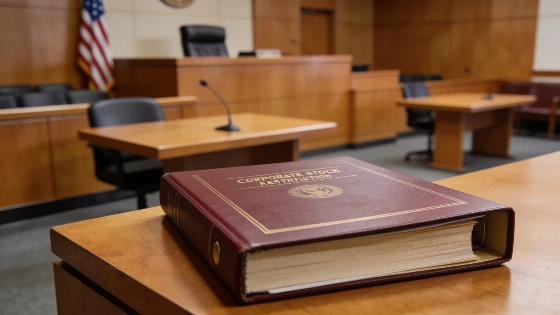
Cloudflare’s founders would retain control under the proposed structure as the company prepared to bring nonvoting shares worth billions of dollars to market. On Oct. 16, 2026, a Delaware Chancery Court judge temporarily blocked the conversion, giving investors an early win in their legal challenge.
The order stops Cloudflare from carrying out the restructuring for now. It does not decide the lawsuit or establish directors’ liability, Bloomberg Law reported.
Cloudflare Inc.’s plan would replace its dual-class stock with a tri-class structure. The company could bring nonvoting shares worth billions of dollars to market, separating economic ownership from voting power while the founders retain control. The case could clarify the reach of Delaware’s new self-dealing safe harbor, part of the state’s most impressive corporate law overhaul in decades.
The judge tentatively rejected the argument that the transaction’s structure put it outside the safe harbor. He said the allegations suggested Cloudflare’s board may have acted in bad faith when it approved the transaction.
The dispute is among the first impressive tests of the revised Section 144 of Delaware’s General Corporation Law. The law sets safe harbors for certain transactions involving interested parties and controlling stockholders, provided they meet statutory conditions.
Delaware amended Section 144 in 2025 amid concerns that companies might shift their incorporations out of the state as states competed for corporate registrations. The changes aimed to make transactions involving controlling stockholders more predictable. A Harvard Law School Forum analysis said the legislation was developed and enacted on an accelerated timetable, with limited chance for outside input. The reform also narrowed some requirements for disclosing corporate records under Section 220.
In February 2026, the Delaware Supreme Court upheld the challenged provisions after a constitutional dispute, information from a Cooley legal analysis. By October, the revised safe harbors remained relatively untested in practice, including on special committee independence and compliance with required procedures.
Cloudflare’s case will proceed as the court considers the shareholders’ challenge and the board’s conduct. The temporary order leaves open whether the restructuring may go ahead later.